#16Days: A Climate-Resilient World is a Safer World
Violence against women and girls is one of the most pervasive—and preventable—human rights violations in the world. This crisis is exacerbated by another: climate change.
Climate change and climate-induced emergencies—and their downstream effects on income, nutrition, water, and access to health services and products—are linked to increased rates of gender-based violence, child marriages, and poor sexual and reproductive health outcomes. Because climate change poses a disproportionate threat to the health and livelihood of women and girls, shifting harmful gender norms and practices among climate-vulnerable communities is critical.
Why are women and girls more affected by climate change?
Today, nearly 48 million more women than men face food insecurity and hunger. By 2050, climate change could drive 158 million more women and girls into poverty—16 million more than the anticipated number of men and boys. Some driving factors:
- Women are often responsible for gathering food, water, and fuel. As resources become scarce, women must work harder and travel farther to access them, hindering their economic pursuits and forcing girls to leave school.
- Climate change disrupts access to health care as women’s health threats proliferate. For example, rising temperatures are linked to stillbirths and transmission of vector-borne diseases.
- Climate-induced stress fuels rising rates of gender-based violence, including femicide, intimate partner violence, and child marriage.
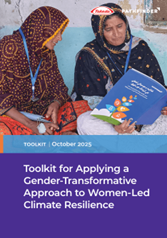
Pathfinder (www.pathfinder.org), an organisation that works alongside women and girls ensuring they have access to the critical services they need, has developed a toolkit which provides practical guidance for promoting women’s leadership and agency in improving community resilience to climate change and expanding access to quality health care.(read more on their website)
Kat Runnalls writing on the European Centre for Environment & Human Health (ECEHH) website (www.ecehh.org) wrote that
“Climate change is amplifying the risk of violence towards women and girls. Extreme weather events, displacement, and resource scarcity create stressful conditions where violence escalates. Research shows that during floods, droughts, and heatwaves, families experience heightened stress, financial burdens and mental health difficulties (Olson et al., 2025; Bryson et al., 2023). This can lead to increased incidents of domestic abuse and intrafamilial violence, with children often witnessing harm (Edwards et al., 2021). For women and girls, the intersection of environmental and social vulnerability can be devastating (Anjum and Aziz, 2025).
Emerging evidence suggests that environmental stressors combined with inadequate support systems are contributing to a rise in gender-based violence and poor child health outcomes. VAWG is preventable through a considered, coordinated response. We need to challenge harmful gender norms, strengthen legal protections and ensure that climate adaption strategies include gender-sensitive approaches.”
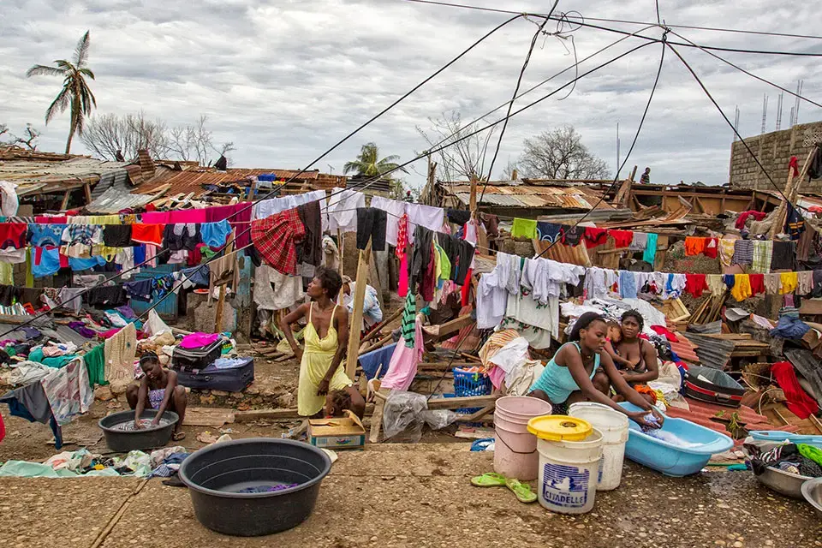
Haiti in the aftermath of Hurricane Matthew in 2016. Often, women and girls face greater health and safety risks as water and sanitation systems become compromised. They also take on increased domestic and care work even as resources disappear. Photo: UN MINUSTAH/Logan Abassi
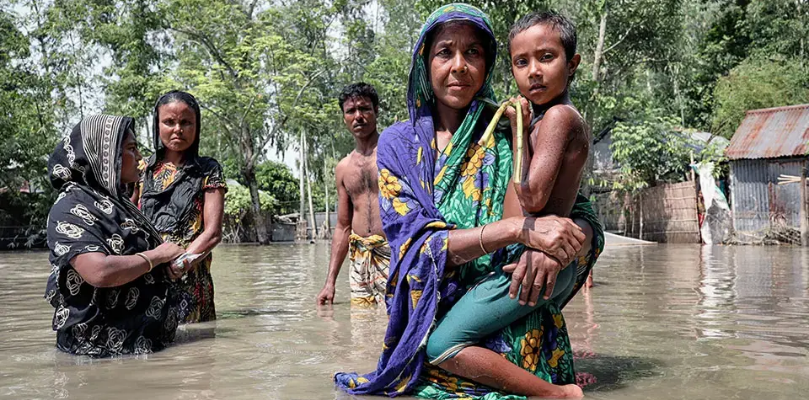
When floods destroyed Nurun Nahar’s house in a remote part of the Jamalpur District of Bangladesh in 2019, she had to move her family to a shelter. Photo: UN Women/Mohammad Rakibul Hasan
A Prayer for Courage and Action
Let us pray
Compassionate Creator,
We come before you with heavy hearts, aware of the suffering faced by women and girls around the world—suffering made worse by the relentless effects of climate change. We grieve for those who endure violence, hunger, and hardship, and for the millions more who may be driven into poverty and insecurity as our planet warms.
Grant us wisdom to recognize how climate-induced emergencies deepen inequality and threaten the health and safety of those most vulnerable. Stir in us a holy discontent with harmful gender norms and practices and give us the courage to challenge injustice wherever we see it. [
May we not only pray, but act. Move us to advocate for gender-sensitive climate solutions, to support legal protections, and to uplift the leadership and agency of women and girls in every community. Let our voices and choices reflect your call to justice and compassion.
Empower us to be agents of change—challenging violence, building resilience, and ensuring that no one is left behind. May our prayers become deeds, and our hope become action.
As your word reminds us:
“He has shown you, O mortal, what is good. And what does the Lord require of you? To act justly and to love mercy and to walk humbly with your God.” (Micah 6:8, NIV) May it be so AMEN